Commonwealth War Graves Commission
Bringing forgotten stories of fallen soldiers into the present through a roaming digital experience designed to inform, remember and connect.
A responsive touchscreen experience for the CWGC Forevermore tour, connecting visitors with forgotten stories while creating opportunities to share memories of their own.


Design Concept
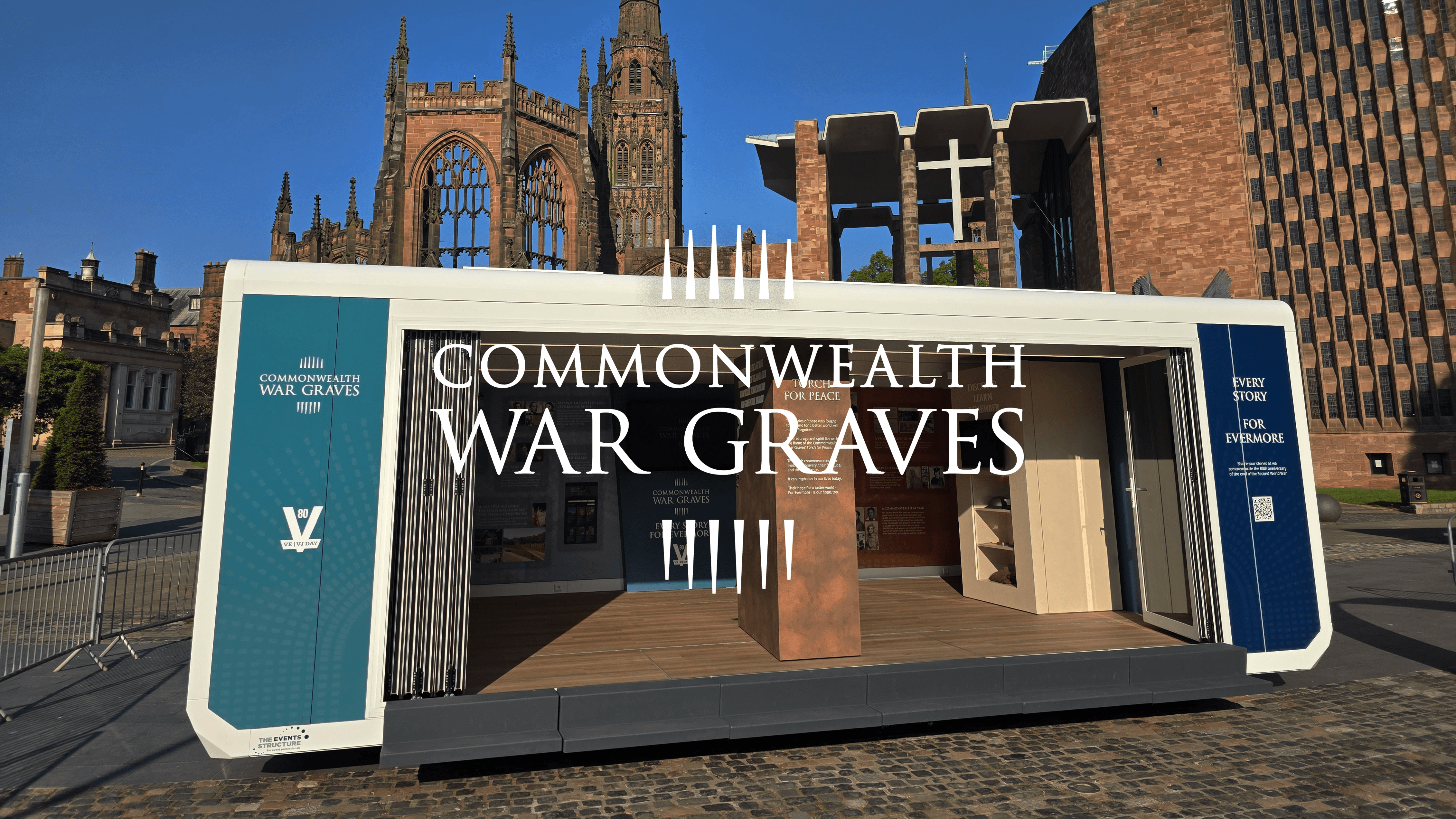
As part of the CWGC Forevermore roaming tour, I designed the digital experience housed within a converted touring truck travelling across the UK. The touchscreen was structured around three experiences: discovering the work of the CWGC, exploring personal stories of fallen soldiers, and contributing stories of visitors’ own. The design balanced responsive, contemporary interaction with the heritage and emotional weight of remembering those who served during WW1.

The biggest design challenge was finding the right balance between modern digital interaction and the traditional, respectful nature of the subject matter. The experience needed to feel engaging enough to draw people towards a touchscreen, while never becoming overly playful or distracting from the stories being told.
I worked within the existing CWGC brand guidelines, using its established visual language as a foundation before introducing more contemporary interaction patterns, transitions and responsive elements. This allowed the experience to feel recognisably CWGC while still being designed for a modern touchscreen environment.
The content was structured into three distinct areas, each with a clear purpose. The first introduced visitors to the work of the CWGC, providing context around the organisation and its ongoing role in preserving the memory of those who died in conflict. The second focused on individual fallen soldiers, using their personal stories to move beyond names and dates and create a more human connection with the people being remembered.
The final section turned the experience towards the visitor, encouraging them to contribute stories of their own. This helped make the experience feel less like a static archive and more like a two-way conversation between past and present.
Designing for a roaming installation also meant considering how the experience would work across very different locations and audiences. From CWGC sites to major venues such as Wembley Arena, the activation needed to communicate its purpose quickly and work effectively for visitors who might only spend a few minutes exploring.
The result was a digital experience that used the immediacy of touchscreen technology to make historical stories feel accessible and personal, while maintaining the sense of dignity and remembrance that the subject demanded.


Let’s make the next move together.
Start a conversation